Classic Anise Springerle Cookies
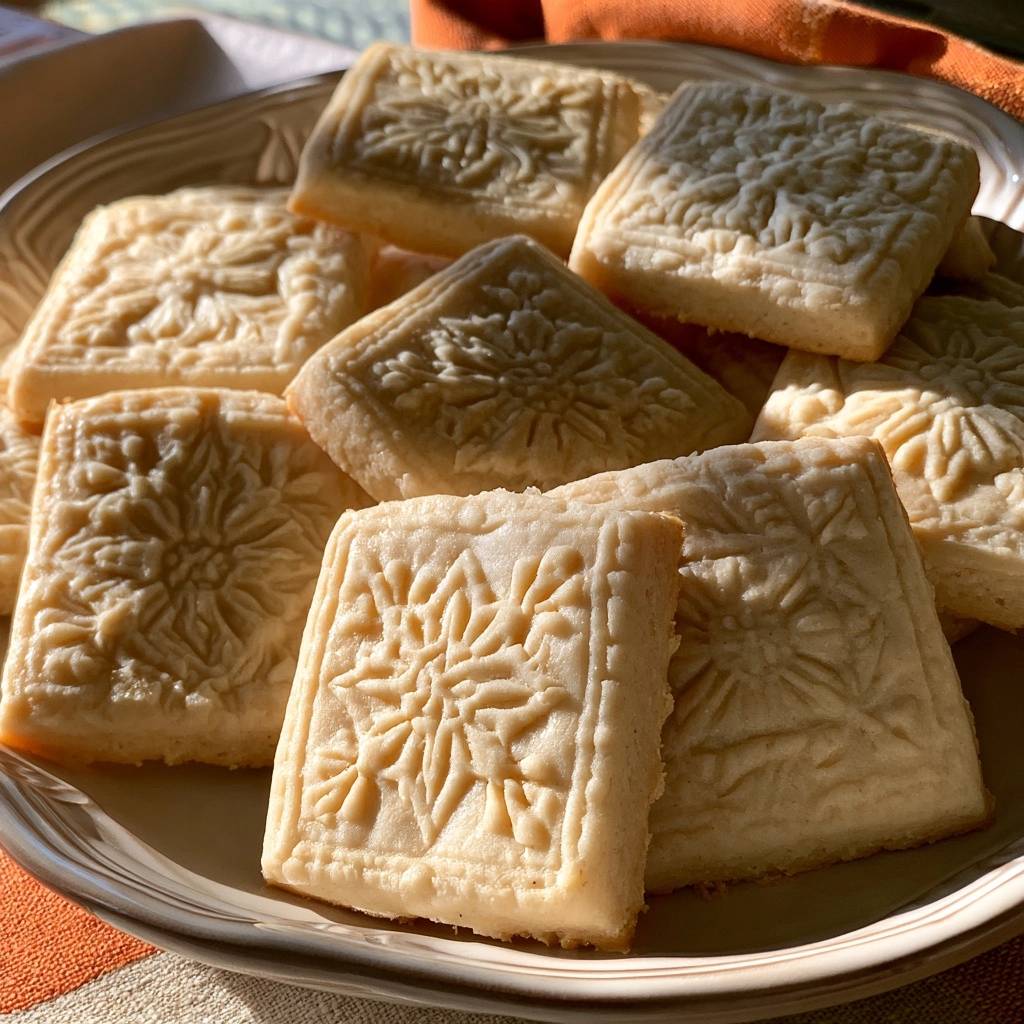
Classic anise springerle cookies stand out for their pale tops, lightly browned bottoms, and crisp embossed designs. Ground anise gives the dough a gentle flavor, while whole anise seeds beneath the cookies add another fragrant note.
The pattern is part of the pleasure of making springerle. A floured mold creates a clear impression, and a deeply patterned cookie stamp works well too. Paying attention to the dough’s firmness and the surface drying helps the design stay defined.
What gives springerle its texture and flavor
Room-temperature eggs blend readily with the sugar as you beat them, forming a very pale, thick mixture that falls from the whisk in ribbons. That ribbon stage is a useful visual cue: the mixture should look substantial before you add the flour mixture. Add the sugar gradually so it incorporates evenly.
Ground anise seed seasons the dough with a mild, distinctive flavor. Baking powder and fine salt round out the dry ingredients, while all-purpose flour gives the cookies their firm structure. The dough should feel slightly tacky but hold its shape; adding flour gradually helps you reach that balance without making it too dry.
How to get a clear embossed design
Work with one portion of dough at a time and keep the rest covered. Roll the dough evenly so the mold presses each design to a consistent depth. Dust the mold or stamp with flour before pressing firmly and evenly; this helps it release and leaves a more distinct pattern. Cut around the impressions cleanly, keeping the cookies evenly sized.
A deeply patterned cookie stamp can stand in for a springerle mold. Choose one with a design that can make a clear impression, and dust it with flour as you work. If the dough sticks, refresh the dusting rather than pressing harder in an uneven way, which can blur the pattern.
Why the cookies dry before baking
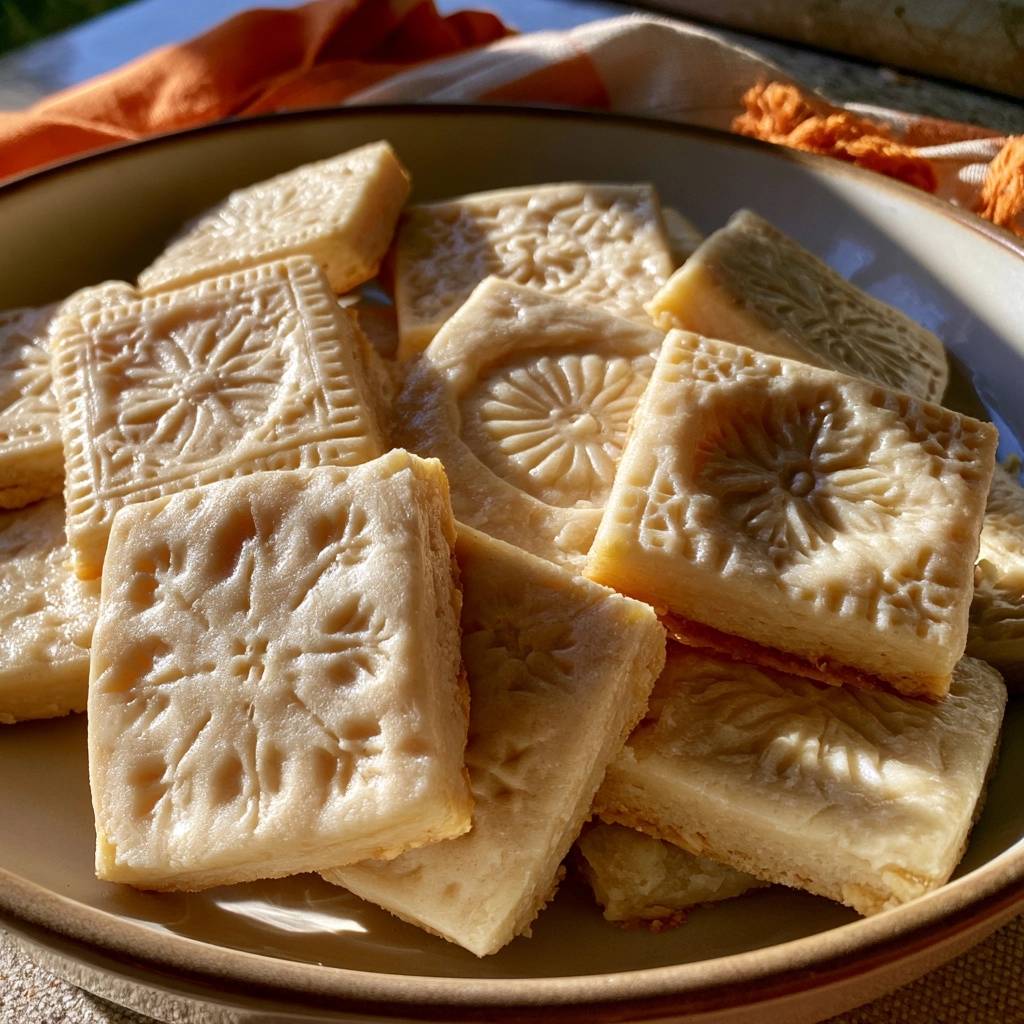
After arranging the cookies on parchment over whole anise seeds, leave them uncovered until the tops feel dry and look matte. This surface drying is an important part of the method: baking before the tops have dried can make the embossed design less distinct. Give the cookies time to reach that dry-to-the-touch stage rather than relying on appearance alone.
The cookies should stay pale on top in the oven, with only a little color on their bottoms. Switching the baking sheets’ rack positions partway through helps them bake evenly. Let them cool on the sheets first, then move them to a rack to finish cooling; they will have a firm texture when ready.
Frequently Asked Questions
Can I make springerle without a traditional mold?
Yes. Use a deeply patterned cookie stamp dusted with flour. Press it firmly and evenly into the rolled dough so the design transfers clearly, then cut around each impression. A stamp with a pronounced pattern is more likely to leave a distinct design.
How can I tell when the cookies are ready to bake?
Check that the tops feel dry and look matte after the cookies have rested uncovered at room temperature. That surface condition matters more than the clock alone. If the dough still feels tacky on top, give the cookies more time to dry.
Why did my embossed pattern become hard to see?
The dough may have been too soft, the mold or stamp may have stuck, or the tops may not have dried enough before baking. Aim for firm, slightly tacky dough, flour the design tool, and wait until the cookie surfaces feel dry before they go into the oven.
Classic Anise Springerle Cookies
Course: DessertCuisine: GermanDifficulty: Medium24
cookies35
minutes20
minutes150
kcal13
hours25
minutesThese pale, lightly browned springerle cookies have a firm texture and gentle anise flavor. A floured cookie mold or stamp gives each cookie its embossed design.
Ingredients
- Dough
4 large eggs, at room temperature
2 cups granulated sugar
1 tsp ground anise seed
1 tsp baking powder
1/4 tsp fine salt
4 cups all-purpose flour, plus more for dusting
- For baking
1 tsp whole anise seeds
Directions
- Using a stand mixer with the whisk attachment, beat the eggs on medium-high speed until foamy, about 2 minutes. Gradually add the sugar and beat for 15 minutes, until the mixture is very pale, thick, and falls from the whisk in ribbons.
- Mix the ground anise, baking powder, and salt into 3 1/2 cups of the flour. Beat this into the egg mixture on low speed, then work in enough of the remaining flour to make a firm, slightly tacky dough. Knead briefly on a lightly floured surface until smooth.
- Divide the dough in half. Keep one half covered while you work with the other. On a lightly floured surface, roll the dough 3/8 inch thick. Dust a springerle mold or cookie stamp with flour, press it firmly and evenly into the dough, then cut around the designs into 2 1/2-inch squares. Repeat with the remaining dough to make 24 cookies.
- Line two baking sheets with parchment and scatter the whole anise seeds over the parchment. Set the cookies on the sheets, spaced about 1/2 inch apart, with their bottoms resting on the seeds. Leave them uncovered at room temperature for 12 hours, until the tops feel dry and look matte.
- Heat the oven to 300°F. Bake both sheets at once for 20 minutes, switching their rack positions halfway through. The cookies should remain pale on top, with only a little color on the bottoms.
- Cool the cookies on the baking sheets for 30 minutes, then transfer them to a rack to finish cooling.
Notes
- If you do not have a springerle mold, use a floured, deeply patterned cookie stamp to make the designs.